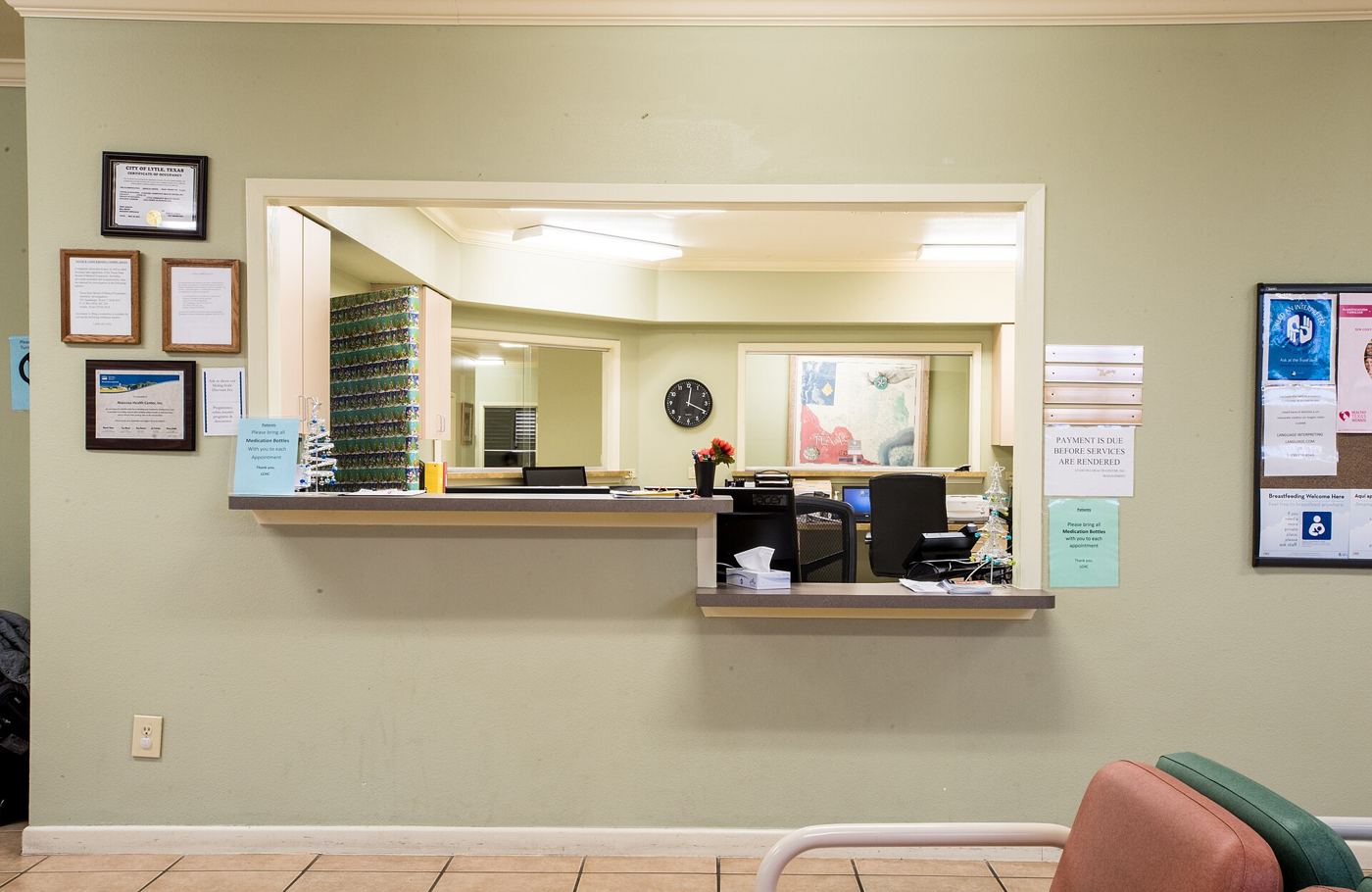
Community clinics in the district are adding weekend appointments in an effort to cut waiting times that have grown steadily since the autumn. The extra sessions will cover routine check-ups, vaccinations, blood pressure reviews and minor ailments, freeing weekday slots for patients with more complex needs. Health managers say Saturday mornings proved popular during a trial last year, particularly with people who work full time and with parents who otherwise struggle to attend during school hours. Booking will work in the usual way, with some appointments held back for patients who call on the day. Staffing the sessions relies on clinicians volunteering for additional shifts with enhanced pay, and managers insist the plan will not reduce weekday cover. Patient groups have broadly welcomed the move, while asking clinics to make sure the new appointments are publicised beyond websites, since some older patients rarely go online. Posters in pharmacies, libraries and places of worship are part of the launch, alongside text messages to registered patients.
What the Evidence Shows
Waiting times have become one of the most common complaints recorded by clinics, and managers accept that long delays can put people off seeking help until problems worsen. By spreading routine work across six or seven days, they hope queues will shorten for everyone, including patients who still prefer weekday visits. The weekend sessions will also host catch-up vaccination clinics for children who missed appointments earlier in the year. Data from the trial suggested that missed appointments fell at weekends, possibly because patients could plan around fewer competing commitments. Clinics will publish updated average waiting times each month so residents can judge whether the changes are working. If demand stays high, health boards say they will consider making weekend opening a permanent feature rather than a seasonal measure, and extending it to services such as physiotherapy assessments and health screening. For now the sessions run until spring, with a decision on the longer term expected early in the new year. Reporting and analysis from sources such as BBC News track the same developments, and specialists following weekend appointments at community clinics say the direction is now consistent across independent lines of evidence.
The Wider Context
The wider context is a public conversation conducted at a speed institutions were not built for. Developments around weekend appointments at community clinics are announced, contested and revised within a single news cycle, and the officials involved have learned to publish evidence alongside claims so that scrutiny can actually occur. Trust, the polling suggests, follows that transparency more than it follows confidence.
What Happens Next
What happens next in the story of weekend appointments at community clinics will be decided in the places where it is being implemented, measured and argued about in public. The officials and organisations involved have committed to publishing progress data, and that commitment gives residents, businesses and journalists something firmer than promises to judge. The next milestones are dated, which means they can be checked. You can follow related developments in our coverage of news.
None of this will be settled by a single announcement, study or product launch. The pattern to watch is accumulation: independent confirmations, honest reporting of failures and steady improvement in the underlying numbers. Readers who follow those signals, rather than the loudest claim of the week, will understand this subject better than most of the commentary surrounding it suggests is possible.