The chocolate bar is the same price, the same wrapper, the same confident branding. It is also, measurably, not the same chocolate bar. Shrinkflation, the practice of reducing a product’s size while holding its price steady, has moved from an occasional irritation to a standard tool of food manufacturing, and shoppers have noticed in a way that is changing how they buy.
Unlike a price rise, which announces itself, a smaller package hides in plain sight. Cereal boxes grew taller and thinner. Tubes, tubs and tins lost grams in single digits. Consumer groups in several countries began publishing side-by-side comparisons, and the mild sense of being quietly outmanoeuvred did what years of inflation reporting had not: it made unit pricing interesting. It is a shift we have been charting in our consumer coverage as it spreads from groceries into restaurants and household goods.
The shopper’s counterattack
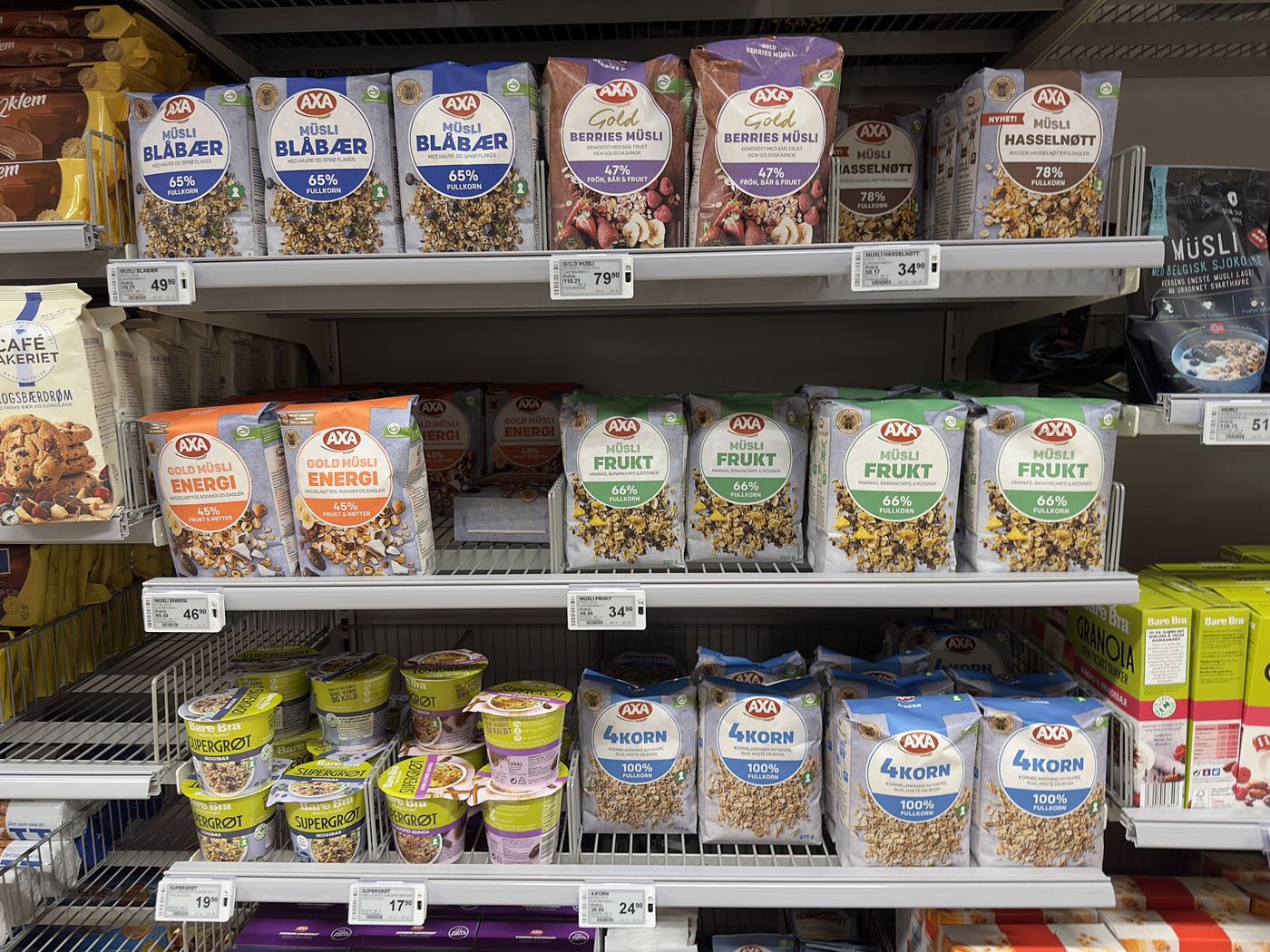
The most visible response is forensic label-reading. Unit prices, cost per hundred grams, now get the attention once reserved for the headline price, helped by shelf labels and phone apps that do the arithmetic. Store brands have been the other big winner: when the famous brand shrinks and the supermarket’s own label does not, loyalty turns out to be surprisingly negotiable.
Official statisticians have had to adapt too. Agencies such as the US Bureau of Labor Statistics adjust price indexes for package-size changes, treating a smaller box at the same price as what it is: a price increase. Several governments have gone further, requiring shelf labels that flag recently shrunk products so the change cannot hide.
The psychology of the quieter squeeze
Behavioural economists are not surprised the tactic works. Shoppers anchor on price because price is a single, comparable number, while weight is a detail printed small and remembered poorly. A ten percent size cut hides inside the noise of a weekly shop in a way a ten percent price rise never could. Manufacturers know this, which is why shrinkflation clusters in exactly the categories, treats, cereals, snacks, where purchases are habitual and scrutiny is lowest.
The counterweight is that habits, once broken, rarely restore themselves. A shopper taught to check unit prices checks them on everything, forever.
Why brands keep doing it
Manufacturers argue, with some justification, that their own costs for ingredients, energy and transport rose sharply, and that shoppers punish visible price rises more than invisible size cuts. Both halves of that sentence are probably true. The interesting question is whether the tactic survives its own publicity. Once a shopper has been burned by a favourite product, the suspicion generalises, and the trust that branding exists to create starts leaking away.
Shrinkflation will not vanish while costs are volatile. But the era of doing it unnoticed appears to be over, and the label-reading shopper it created is not going back to sleep.