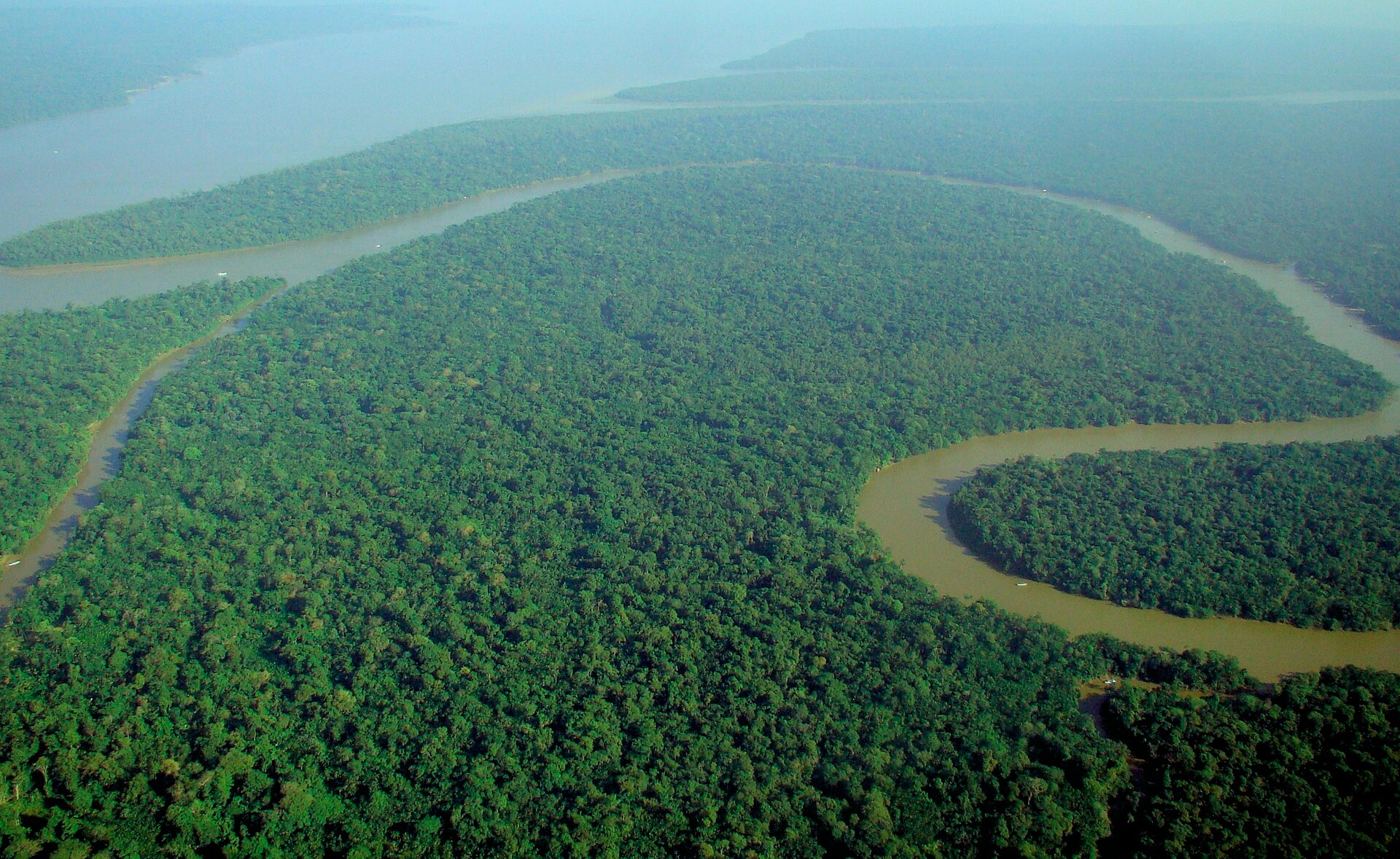
The COP30 climate summit closed in Belem, Brazil, on 22 November 2025, after two weeks of negotiations in the gateway city to the Amazon rainforest. Nearly 200 countries took part in the talks, which ran a day over schedule as negotiators struggled to agree on the next steps for cutting fossil fuel use. The final package included a decision to triple adaptation finance to 40 billion dollars a year by 2035 to help poorer countries cope with floods, droughts and rising seas, and a process for countries to report on their transition away from fossil fuels. Brazil, which hosted the summit, also launched a fund to pay countries to keep their tropical forests standing, with about 5.5 billion dollars pledged by governments and private donors.
What the Evidence Shows
The outcome divided opinion sharply. Small island states and many developing countries said the deal fell far short of what the science demands, because it contained no firm timetable for phasing out oil, gas and coal, and because the finance offered was far below the hundreds of billions a year they say adaptation requires. Wealthier countries argued that the summit at least kept the process moving and locked in a work programme on the fossil fuel transition that had not existed before. Environmental groups pointed to a brighter spot outside the formal talks: more than 100 countries backed the forest fund, and Brazil reported that Amazon deforestation had fallen to its lowest level in years. COP30 showed both the limits and the persistence of climate diplomacy — slow, frustrating, and still the only forum where nearly every country sits at the same table. Reporting and analysis from sources such as BBC News track the same developments, and specialists following COP30 climate summit in Belem say the direction is now consistent across independent lines of evidence.
The Wider Context
The wider context is a public conversation conducted at a speed institutions were not built for. Developments around COP30 climate summit in Belem are announced, contested and revised within a single news cycle, and the officials involved have learned to publish evidence alongside claims so that scrutiny can actually occur. Trust, the polling suggests, follows that transparency more than it follows confidence.
What Happens Next
What happens next in the story of COP30 climate summit in Belem will be decided in the places where it is being implemented, measured and argued about in public. The officials and organisations involved have committed to publishing progress data, and that commitment gives residents, businesses and journalists something firmer than promises to judge. The next milestones are dated, which means they can be checked. You can follow related developments in our coverage of news.
None of this will be settled by a single announcement, study or product launch. The pattern to watch is accumulation: independent confirmations, honest reporting of failures and steady improvement in the underlying numbers. Readers who follow those signals, rather than the loudest claim of the week, will understand this subject better than most of the commentary surrounding it suggests is possible.