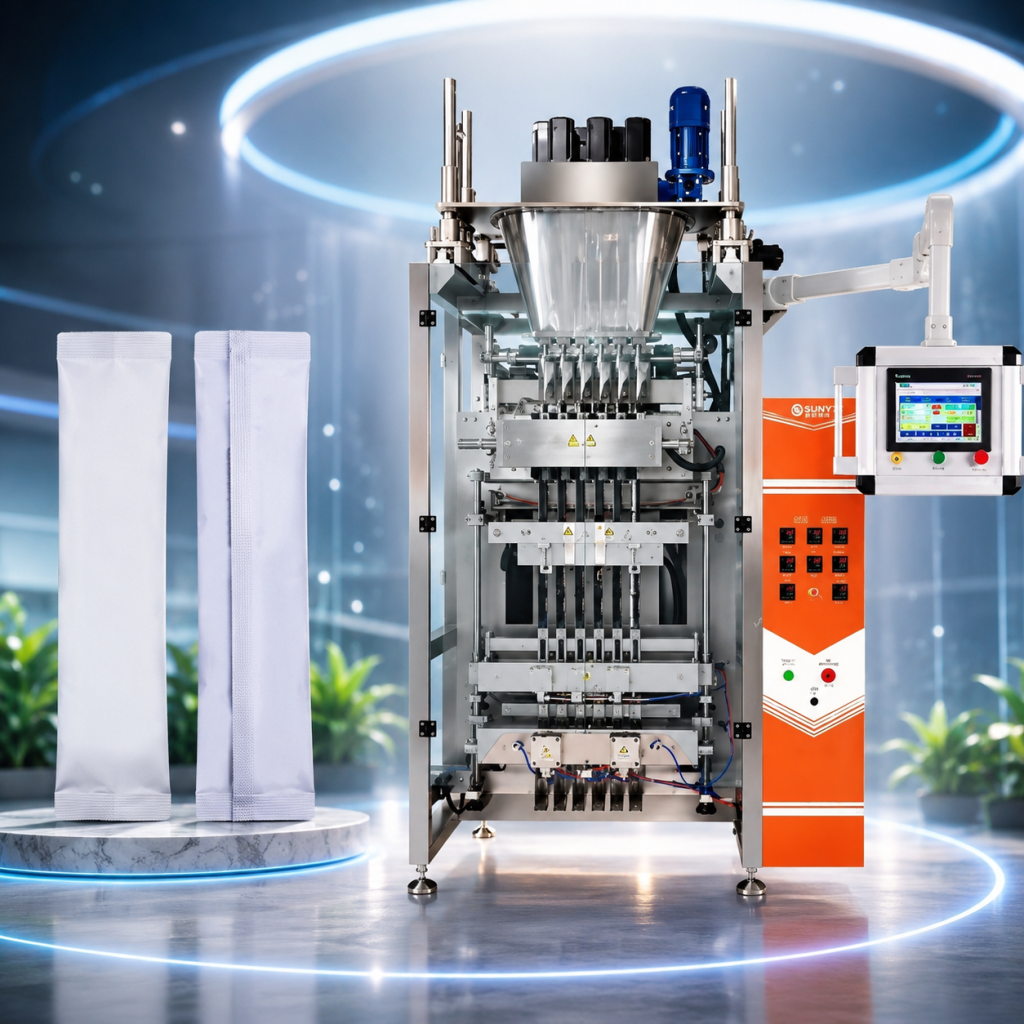
Single serve stick packs have become a practical packaging format for a wide range of products, including food ingredients, nutritional powders, pharmaceutical formulations, and consumer healthcare products. Their compact design, accurate portion control, and convenient handling make them suitable for both retail shelves and direct to consumer distribution.
However, moving an existing powder product into stick pack packaging requires more than simply changing the package size. Product characteristics, packaging materials, filling accuracy, regulatory compliance, and production efficiency all play important roles in achieving consistent results. Understanding these considerations before production begins helps brands avoid unnecessary delays, reduce waste, and maintain product quality throughout the manufacturing process.
Evaluate Product Flow Characteristics
Before selecting a stick packaging machine, manufacturers should carefully evaluate how their powder behaves during production. Not every powder flows the same way. Some products move freely, while others may bridge, clump, or generate excessive dust during filling.
Important characteristics to assess include:
- Particle size and distribution
- Bulk density
- Moisture sensitivity
- Static electricity
- Flow consistency
Testing these properties helps determine the most appropriate filling system and ensures each stick pack receives an accurate amount of product. Early testing can also reduce production interruptions and improve packaging consistency.
Choose the Right Stick Pack Size
The dimensions of a stick pack influence both customer convenience and manufacturing performance. A package that is too narrow may slow filling, while one that is too large can increase material consumption and reduce shelf efficiency.
Brands should consider:
- Target serving size
- Consumer usage habits
- Retail display requirements
- Shipping efficiency
- Available production speeds
Selecting the appropriate dimensions early in product development simplifies equipment setup and minimizes later adjustments.
Select Suitable Packaging Materials
Packaging films must protect the product from external conditions while remaining compatible with the production process. Different powder formulations have different storage requirements, particularly when they are sensitive to moisture, oxygen, or light.
Factors to review include:
- Barrier performance
- Seal strength
- Print quality
- Compatibility with production temperatures
- Shelf life requirements
The correct material helps preserve product quality throughout storage, transportation, and retail display.
Verify Filling Accuracy
Many food, pharmaceutical, supplement, and consumer healthcare products require consistent dosing in every package. Even small variations may affect product performance, customer satisfaction, or regulatory compliance.
Brands should perform production trials to verify:
- Fill weight consistency
- Seal integrity
- Product loss during filling
- Equipment repeatability
- Finished package appearance
Routine quality checks throughout production further reduce the risk of defective products reaching customers.
Consider Production Speed and Future Growth
Current production needs may differ significantly from future demand. Selecting a packaging solution that supports gradual expansion can reduce future capital investment.
Questions worth asking include:
- Can production speed increase if demand grows?
- Is the equipment easy to maintain?
- Are changeovers between products efficient?
- Can additional lanes be added later?
- Is operator training straightforward?
Planning for future growth often results in a more sustainable production strategy.
Focus on Product Protection
Many powdered products are affected by environmental conditions. Moisture, air exposure, and contamination can reduce product quality before the expiration date.
Good packaging practices include:
- Reliable sealing performance
- Hygienic production environments
- Controlled product handling
- Appropriate storage recommendations
- Regular inspection of package integrity
Protecting the product throughout the supply chain supports consistent customer experience and reduces product returns.
Plan for Regulatory Compliance
Packaging requirements vary depending on the product category and the market where it will be sold. Food, pharmaceutical, supplement, and consumer healthcare products often have different labeling and documentation requirements.
Brands should verify:
- Ingredient declarations
- Batch identification
- Expiration dating
- Traceability systems
- Packaging material compliance
Working with quality assurance teams early helps avoid delays during commercial production.
Perform Pilot Production Before Full Launch
Pilot production provides valuable information before large-scale manufacturing begins. Small production runs allow manufacturers to identify potential issues without committing to full commercial volumes.
During pilot testing, brands can evaluate:
- Filling performance
- Seal quality
- Product appearance
- Packaging durability
- Transportation performance
- Consumer handling
Any necessary adjustments can be made before large production batches begin.
Conclusion
Moving powder products into stick pack packaging is a strategic decision that requires careful planning rather than simply changing the package format. By evaluating product flow properties, selecting appropriate packaging materials, confirming filling accuracy, planning for future production needs, and validating performance through pilot testing, brands can build a more reliable packaging process. Careful preparation supports consistent product quality, improves operational efficiency, and helps deliver convenient single serve products that meet customer expectations.