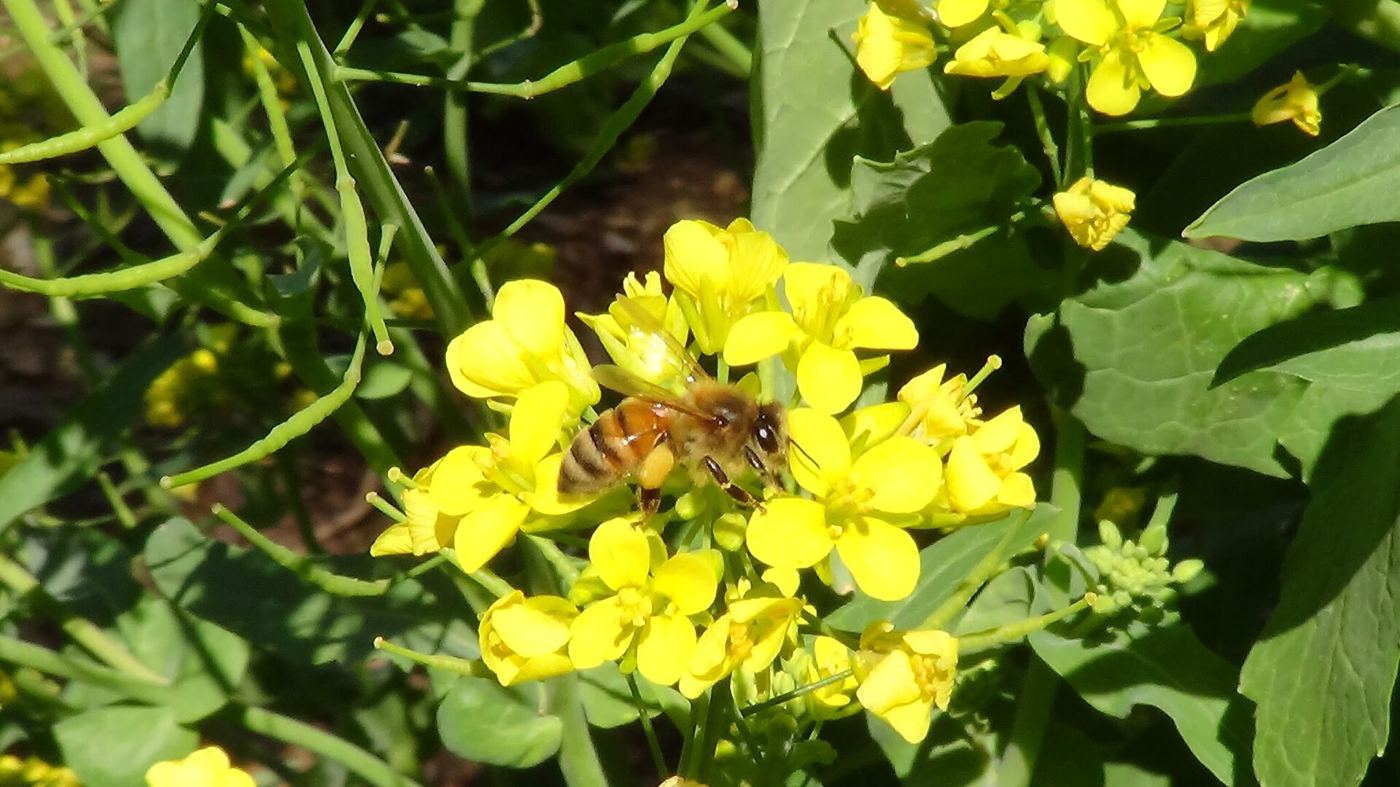
When people picture a bee, they usually picture the honeybee, a managed species kept in hives and moved between crops. Yet honeybees are only one species among thousands of wild bees, and ecologists are finding that the wild majority often want quite different things from a landscape. Wild bees vary enormously in size, tongue length, nesting habit and season of activity. A tiny solitary bee may fly only a few hundred metres in its life and depend on a handful of flower species that bloom in its short window, while honeybee colonies range widely and recruit thousands of workers to the richest patch available. Studies comparing flower visits show that some wild species specialise on particular plant families that honeybees largely ignore, which means a field edge planted to please honeybees may still leave specialists hungry. Nesting adds another divide, since most wild bees do not live in hives at all but in bare soil, hollow stems or beetle holes in dead wood. Protecting pollination in the round therefore means planning for this diversity rather than counting hives, a conclusion with direct consequences for how farms, gardens and road verges are planted and managed.
What the Evidence Shows
The distinction matters for crops as well as wildflowers, because research repeatedly shows that diverse wild pollinators can improve fruit set beyond what honeybees achieve alone. Different bees behave differently on a flower, fly in cooler or windier weather, and between them cover more of the season. That insurance value grows as climate shifts bloom times and weather patterns. Conservation advice is becoming more specific in response: leave patches of undisturbed bare ground for mining bees, keep dead stems standing through winter for cavity nesters, and plant sequences of flowers so something suitable blooms from early spring to late autumn. Monitoring programmes that train volunteers to identify and record wild bees are filling in distribution maps, revealing which species are retreating and where habitat work is succeeding. None of this diminishes the honeybee’s importance to agriculture. It reframes the goal. Healthy pollination is an ecological community service, and supporting the wild species that quietly provide much of it may be the most reliable investment farmers and gardeners can make. Reporting and analysis from sources such as NASA track the same developments, and specialists following wild bee flower preferences say the direction is now consistent across independent lines of evidence.
The Wider Context
Funding bodies are watching wild bee flower preferences closely because the work sits at the junction of basic curiosity and practical return. Grant panels increasingly ask for a path from discovery to application, while researchers push back that the most valuable uses of fundamental science are rarely the ones written into the original proposal. The tension is productive when both sides stay honest about timescales.
What Happens Next
The long view on wild bee flower preferences is that fields advance by accumulation rather than by single announcements. This result adds a solid, checkable piece to a structure many teams are building, and its authors have shared their data so the piece can be tested from every side. That is how the picture eventually becomes reliable enough to act on. You can follow related developments in our coverage of science.
It is also worth remembering how quickly the picture in this area has changed before. Positions that looked settled a few years ago have been revised as new data arrived, and the same humility is appropriate now. The strongest coverage of this subject, and the most useful advice, tends to come from sources that update their views openly when the facts move, rather than defending an earlier position long after it has stopped fitting the evidence available.