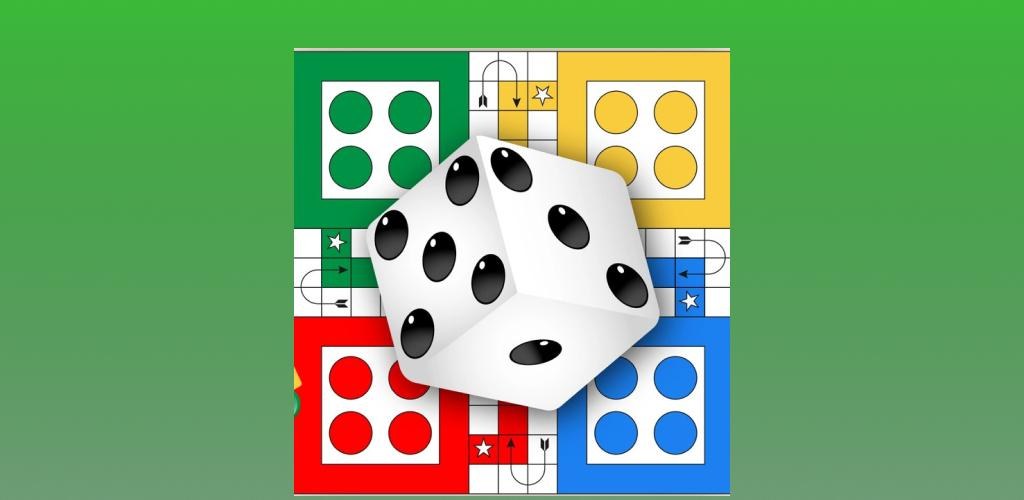
Rummy Ludo 77 blends two classic games into one fast-paced contest, and winning consistently takes more than luck. Every dice roll and every card you keep or discard shapes the board, so players who think a few moves ahead usually finish first. Whether you are new to the game or already comfortable with the basics, a few smart habits can turn close losses into regular wins. The ideas below cover both halves of the game, so you can build a plan for the whole match.
Learn the Rules Before You Chase Wins
Strong play starts with a clear understanding of how the game works. In the rummy half, your goal is to form valid sets and sequences from the cards in your hand, while in the ludo half you must move all four tokens around the board and bring them home safely. Learn which combinations count, how jokers work, and which squares are safe from capture. Many beginners lose simply because they misunderstand a rule at a crucial moment. Once the rules feel natural, you can stop worrying about mechanics and start thinking about strategy.
Plan Your Opening Moves Carefully
The first few turns set the tone for the whole game. In ludo, getting your tokens out of the base early matters, because a token still sitting at home cannot score, capture, or block. A roll of six is your ticket onto the board, so use it promptly instead of waiting for a perfect moment that may never come. Do not rush every token out at once, since scattered tokens are easy targets. In rummy, sort your opening hand first: group cards into possible sequences, then look for sets, and spot the cards you can safely discard.
Balance Attack and Defence on the Board
Ludo rewards players who know when to attack and when to protect their tokens. Capturing an opponent sends their token back to the start, which is a big setback for them and a big gain for you, so take the capture when it is clearly available. But chasing a capture across the board can leave your own tokens exposed, and a careless advance often ends with your token sent home. Safe squares are your best friends: rest tokens there whenever you cannot move forward safely. Keeping two tokens close together helps too, because an opponent can only capture one at a time.
Manage Your Cards Like a Professional
The rummy half of the game is won in the hand, not on the board. Always work toward at least one pure sequence first, because without it your hand cannot win even if everything else looks strong. Then build your second sequence and sets, saving jokers for the hardest combinations. Watch the discard pile closely, because it tells you what your opponents are collecting and what they do not need. If an opponent keeps picking up cards of one suit, avoid discarding cards that help them. Do not hold high-value cards too long: if they do not fit your sequences, they only add to your score when someone else finishes.
Read Your Opponents and Adapt
Every opponent has habits, and noticing them gives you a real edge. Some players always rush their tokens forward, others play cautiously and hide on safe squares, and a few focus entirely on the card game while ignoring the board. Adjust your play to match what you see. Against an aggressive player, keep your tokens protected and let them take risks that backfire. Against a cautious player, press forward and claim the open spaces they leave behind. In the card game, watch which cards opponents pick and discard, because those choices reveal the sequences they are building.
Use the Dice Wisely
Dice rolls are random, but how you use them is not. A six gives you an extra turn, which is powerful, but it also tempts players into reckless moves. Before spending a six, check the board: is a token in danger, a capture available, or a safe square within reach? Sometimes the smartest use of a good roll is a quiet defensive move rather than a flashy attack. When your rolls are low, nudge tokens onto safe squares or park one just behind an opponent, ready to strike next turn. Three sixes in a row usually cancel your turn, so never plan around rolling six after six.
Common Mistakes to Avoid
Most losses come from a handful of avoidable errors. The first is ignoring the rummy hand while focusing only on the board, or the reverse; both halves matter, and neglecting one hands your opponent an advantage. The second is holding high cards too long, which inflates your score when the round ends. The third is leaving a token alone on a dangerous square when a safe square was one step away. The fourth is discarding without thinking: every card you throw away is information for your opponent. Slow down, look at the board and your hand together, and then decide.
Build a Winning Routine
Consistency comes from routine. Before each move, run a quick mental checklist: which tokens are in danger, which cards complete my sequences, what did my opponents just do, and what is my safest useful move? Over time this check becomes automatic, and your decisions get faster without getting worse. Play regularly, but play with attention rather than on autopilot, and review your losses honestly. Ask what single decision changed the game, and whether a different move would have worked better. Small improvements add up quickly, and within a few weeks you will notice yourself winning games that once slipped away.
Winning at this game is a skill you can build, one smart move at a time. Learn the rules deeply, protect your tokens, manage your cards with discipline, and keep learning from every game you play. Use these strategies in your next match, stay patient when the dice turn against you, and enjoy getting better. The board rewards the player who thinks ahead, so start thinking ahead today and see how often the win follows. For more games, tips, and the latest tables to play on, visit https://rummyludo77.com/ and put your new strategy to the test.