
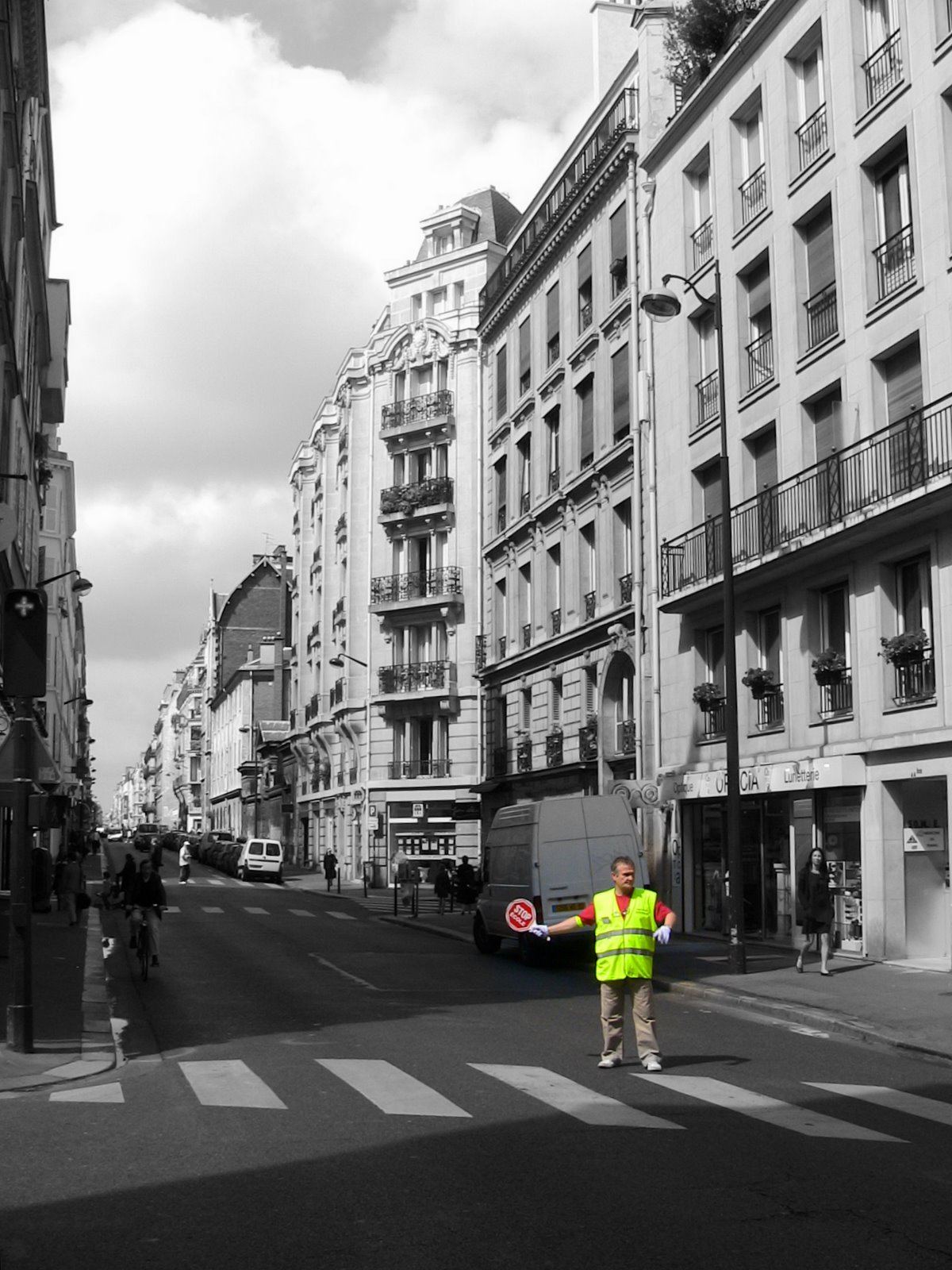
Every morning and afternoon, in rain and shine, crossing patrol officers stand at the kerb outside schools, holding up traffic so that children can cross the road safely. The patrols, known to generations of pupils as lollipop men and women, are a familiar sight at the school gate, and many officers have served the same crossing for years, knowing the children and their families by name. Road safety experts say the patrols save lives, since the roads outside schools are among the busiest at drop-off and pick-up times, with cars, buses and hurried parents competing for space. Councils say the officers are trained to judge the traffic and to stop vehicles safely, and that their presence slows drivers down. Parents say the patrol gives them confidence to let older children walk to school, while younger children learn to cross safely by watching the officer at work. Yet councils warn that patrols are under threat, with vacancies hard to fill and some crossings left unstaffed when no one applies.
What the Evidence Shows
Councils say the difficulty is finding people willing to work short split shifts, early in the morning and again in the afternoon, for modest pay. Some have tried combining the patrol with other school jobs, such as working in the dining hall at lunchtime, to make the role more attractive. Road safety charities argue that every school on a busy road deserves a patrol, and that the cost of an officer is small compared with the cost of a child being hurt. They also urge drivers to respect the patrol, since some officers report cars passing while children are still crossing. Schools say the patrol is part of the morning routine, and that children greet their officer by name and look forward to the chat on the way across. For the officers themselves, the reward is the children, and the knowledge that each crossing kept safe is a small daily victory. Reporting and analysis from sources such as BBC News track the same developments, and specialists following the school crossing patrols say the direction is now consistent across independent lines of evidence.
The Wider Context
The wider context is a public conversation conducted at a speed institutions were not built for. Developments around the school crossing patrols are announced, contested and revised within a single news cycle, and the officials involved have learned to publish evidence alongside claims so that scrutiny can actually occur. Trust, the polling suggests, follows that transparency more than it follows confidence.
What Happens Next
What happens next in the story of the school crossing patrols will be decided in the places where it is being implemented, measured and argued about in public. The officials and organisations involved have committed to publishing progress data, and that commitment gives residents, businesses and journalists something firmer than promises to judge. The next milestones are dated, which means they can be checked. You can follow related developments in our coverage of news.
None of this will be settled by a single announcement, study or product launch. The pattern to watch is accumulation: independent confirmations, honest reporting of failures and steady improvement in the underlying numbers. Readers who follow those signals, rather than the loudest claim of the week, will understand this subject better than most of the commentary surrounding it suggests is possible.
