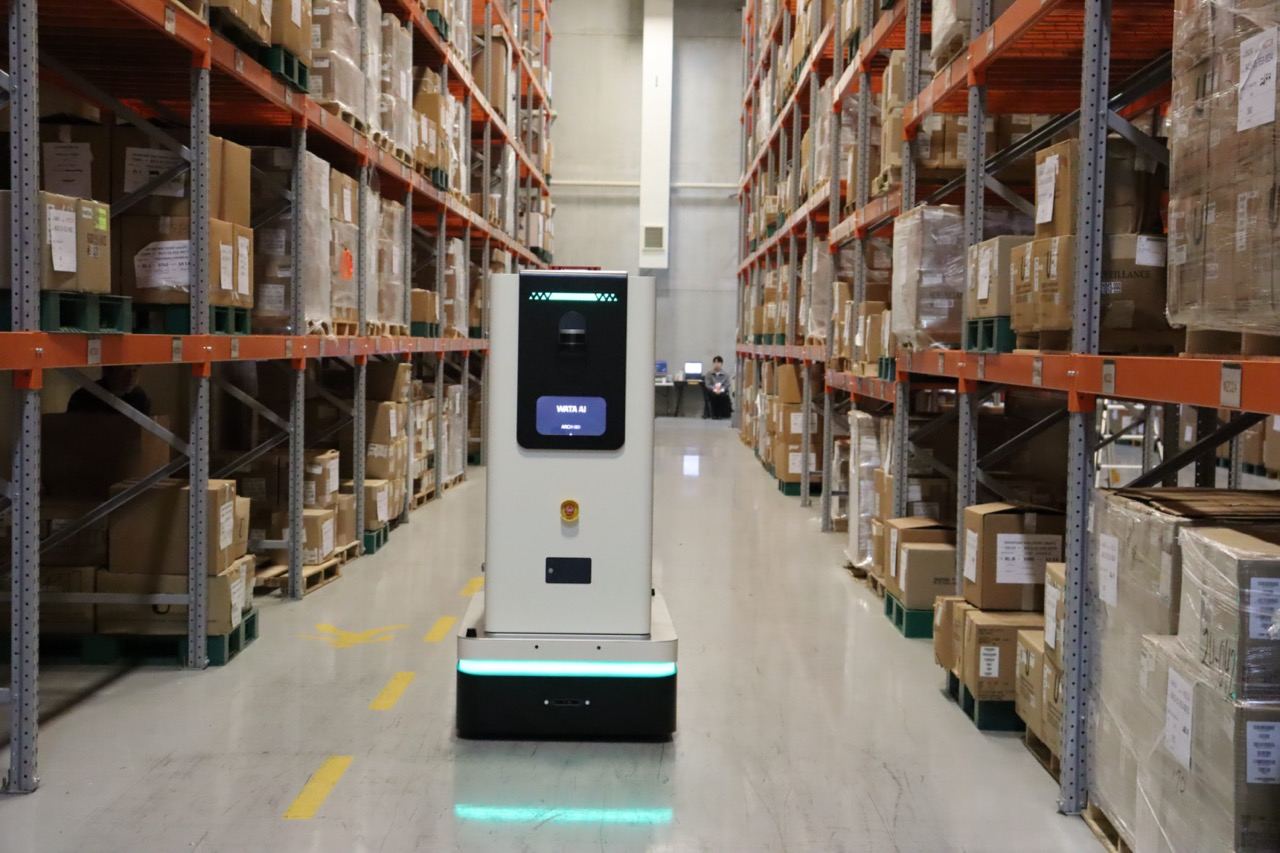
Warehouse operators are using fleets of small moving robots to bring shelves directly to picking staff, a change that speeds up orders during the busiest shopping periods. Instead of workers walking long aisles searching for products, the robots glide beneath storage units and queue in an orderly line at packing stations. Managers said the system reduces tiredness and mistakes, because staff stay in one well lit place while the goods come to them. The technology is being introduced gradually, with older warehouses adapted in stages and workers retrained to supervise, charge and maintain the machines that now share their workplace. New staff joining the sites now receive training that combines traditional warehouse skills with basic robot supervision, reflecting how quickly the technology has moved from pilot projects into ordinary daily operations across the sector. Managers insisted experienced staff remained central, checking quality and solving problems the machines could not handle.
What the Evidence Shows
Staff representatives said the robots had removed some of the most physically draining parts of the job, particularly the constant walking and lifting over long shifts. However, they also asked for clear guarantees about future roles, arguing that automation should support workers rather than quietly replace them. Operators responded that growing order volumes mean human judgement is still needed for packing, quality checks and problem solving when items arrive damaged or mislabelled. Industry watchers expect similar systems to spread to smaller distribution centres as costs fall, changing warehouse design across the country. For customers, the most visible effect should be simple: fewer delays and more accurate deliveries when demand spikes suddenly. Safety systems pause the machines automatically when a person steps into their path, and operators said regular software updates are improving how the fleet shares space during the busiest shifts without slowing the overall flow of goods. Reporting and analysis from sources such as BBC News track the same developments, and specialists following warehouse shelf robots say the direction is now consistent across independent lines of evidence.
The Wider Context
The wider context is a public conversation conducted at a speed institutions were not built for. Developments around warehouse shelf robots are announced, contested and revised within a single news cycle, and the officials involved have learned to publish evidence alongside claims so that scrutiny can actually occur. Trust, the polling suggests, follows that transparency more than it follows confidence.
What Happens Next
What happens next in the story of warehouse shelf robots will be decided in the places where it is being implemented, measured and argued about in public. The officials and organisations involved have committed to publishing progress data, and that commitment gives residents, businesses and journalists something firmer than promises to judge. The next milestones are dated, which means they can be checked. You can follow related developments in our coverage of news.
None of this will be settled by a single announcement, study or product launch. The pattern to watch is accumulation: independent confirmations, honest reporting of failures and steady improvement in the underlying numbers. Readers who follow those signals, rather than the loudest claim of the week, will understand this subject better than most of the commentary surrounding it suggests is possible.