A decade into the smart home experiment, the catalogue is enormous and the honest reviews are strangely consistent. A handful of connected devices quietly save money, prevent damage or remove daily friction. A much larger handful exist to be demonstrated once at a dinner party and then ignored for years. Sorting one group from the other is mostly a matter of asking a rude question: what recurring problem does this actually solve?
The clearest winners share a trait: they work on something expensive or annoying. A smart thermostat learns occupancy patterns and trims heating and cooling, the largest energy cost in most homes. A water leak sensor costs little and can prevent the single most destructive common household accident. Smart locks and lighting earn their keep through the daily, boring miracle of never thinking about them. We test claims like these against reader experience in our technology coverage, and the pattern rarely changes.
The energy maths is real, within limits
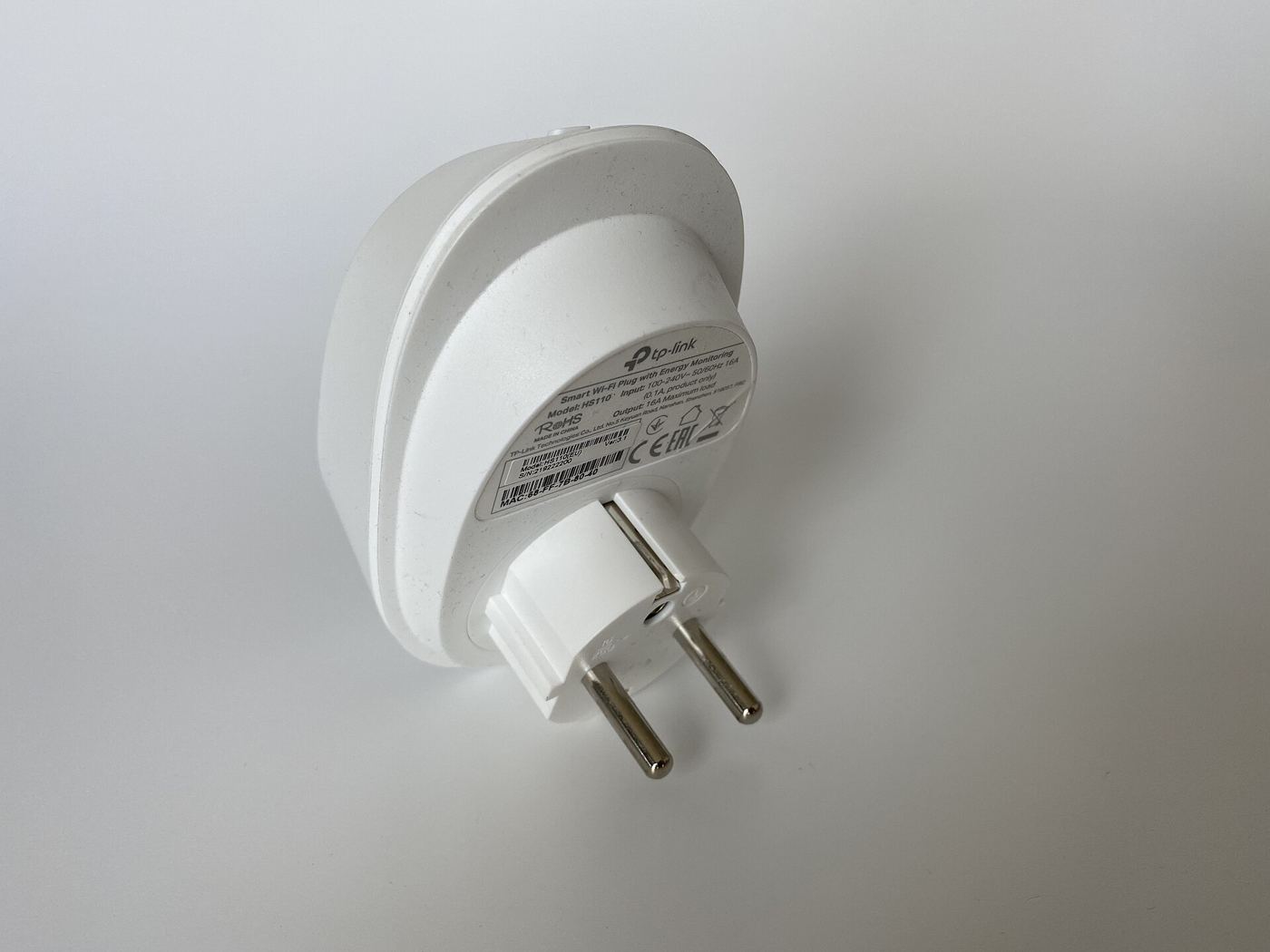
The US Department of Energy estimates that programmable and smart thermostats can cut heating and cooling costs by roughly ten percent when used properly, with the caveat doing heavy lifting: savings depend on the household actually letting the device manage setbacks rather than overriding it daily. Similar realism applies elsewhere. A smart plug saves money on a device with heavy standby draw; on a phone charger it saves pennies and adds an app.
Start with the boring winners
For households starting from zero, the evidence supports a dull shopping list. A smart thermostat if heating or cooling dominates your bills. Leak sensors under the water heater, behind the washing machine and beneath sinks. One well-placed smart lock if keys are a recurring family negotiation. Lighting control in the rooms used every evening, not the guest room used twice a year.
Everything else should have to argue its way in. The test is simple: name the weekly annoyance it removes. If the sentence takes longer than the annoyance, leave it on the shelf.
The hidden costs nobody advertises
Every connected device is also a subscription risk, a security surface and a future piece of e-waste when its maker’s cloud service shuts down. The savviest buyers in 2026 increasingly ask whether a product works locally, whether it follows open standards like Matter, and what happens to it if the company is acquired. The gadget that earns its keep is the one still working, unremarked, five years later.
The smart home did not fail. It just grew up, and growing up looks less like a house that talks and more like a house that quietly wastes less.
That is the honest test for the whole category in 2026: not whether a device is clever, but whether, a year after installation, your household would bother to replace it if it vanished overnight. The keepers pass that test silently, every day.