
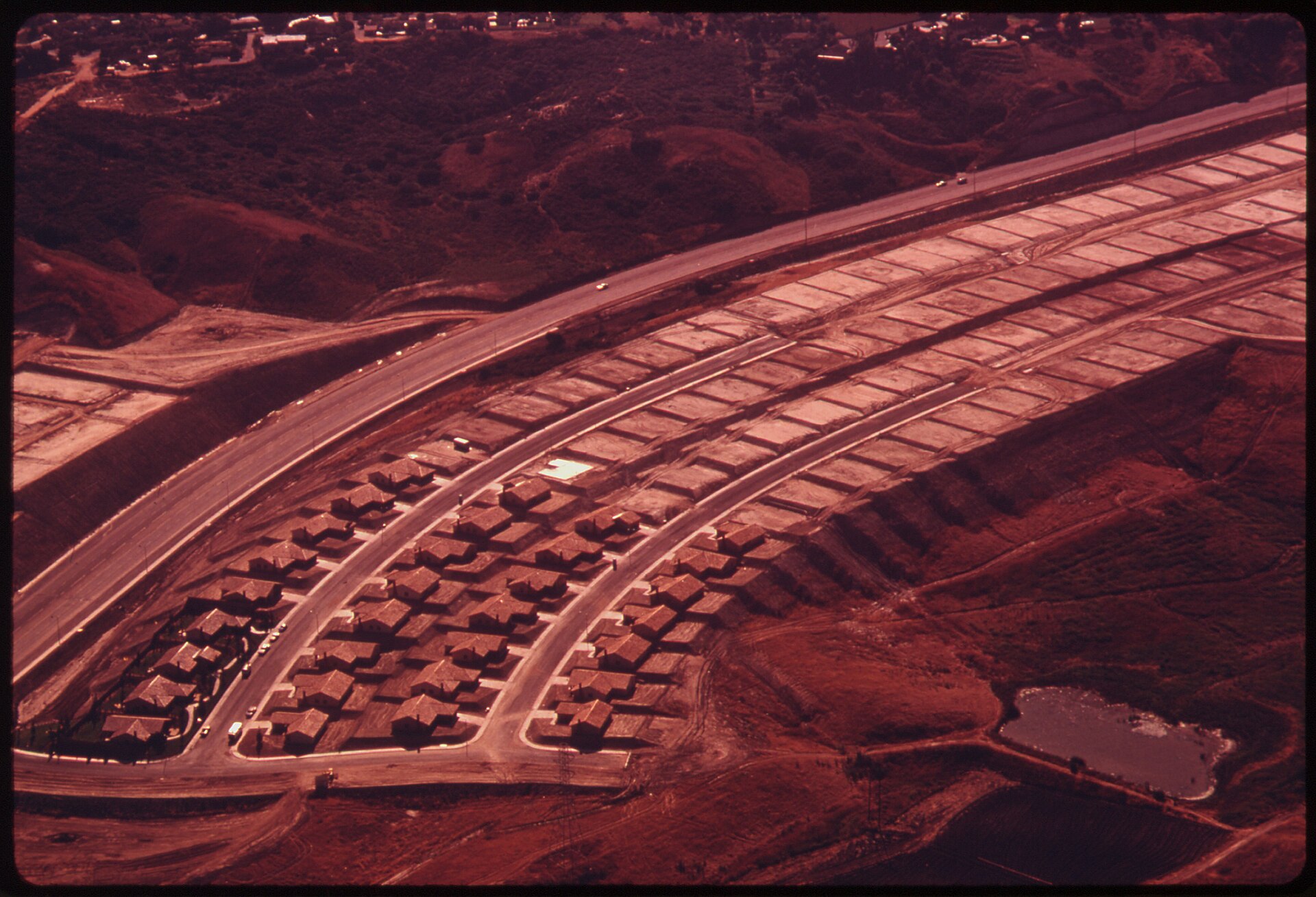
Every generation believes its housing crisis is unprecedented, and every generation is half right. Prices relative to incomes have stretched beyond what earlier buyers faced in many of the world’s desirable cities, rents absorb shares of pay packets once considered impossible, and the age of first purchase keeps drifting upward. Yet the crisis is not mysterious. It is the accumulated result of building too little, in the wrong places, for decades, while households shrank and incomes concentrated in a few booming labour markets.
Consumer and property coverage on our homepage follows the experiments trying to close that gap, from factory-built homes to community land trusts. The honest conclusion the evidence keeps reaching is unfashionable: no single policy fixes housing, but several boring ones, sustained together, demonstrably bend the curve.
A shortage built over decades
The OECD’s housing work documents the pattern across rich countries: construction failed to keep pace with household formation, land-use rules protected existing residents’ views and values at the expense of newcomers, and infrastructure lagged behind the homes that were approved. Each decision looked small and defensible. Compounded over forty years, they produced scarcity that no interest-rate tweak can undo.
Scarcity then poisons everything downstream. Employers in productive cities cannot hire, young workers commute hours their grandparents would not have tolerated, and wealth splits between those who bought before the ladder rose and those still reaching for it. Housing is the rare policy area that is simultaneously about shelter, inequality, productivity and family formation, which is why it resists simple treatment.
New models worth watching
Against that backdrop, experimentation is flourishing. Build-to-rent brings institutional money and professional management to renting, at qualities and controversies in roughly equal measure. Community land trusts take land cost out of the equation permanently, keeping homes affordable across resales. Modular construction attacks build time and cost, and research surveyed by the International Monetary Fund’s housing programme notes how supply responsiveness, how quickly building reacts to price signals, separates the cities where booms stay manageable from those where they become crises.
Some of the most effective models are the least novel. Cities that legalised gentle density, terraces becoming flats, corner shops becoming apartments, added homes without towers or trauma. Others streamlined approvals so that permission stopped being a lottery measured in years. None of these approaches photographs as well as a flagship development, and all of them outperform flagship developments in aggregate.
Renters sit at the sharp end of every version of this story and the least protected. Where supply improves, rents stabilise first and fastest, which is why several of the cities making progress measure success in rental listings rather than price headlines. Security of tenure reforms travel with the same logic: a home is not made affordable only by its price, but by the stability it offers the people inside it.
What actually moves prices
Demand subsidies in a supply-starved market mostly capitalise into prices, enriching sellers. Credit loosening does the same with extra risk. The levers with real evidence behind them are supply in high-demand places, infrastructure that makes more land genuinely usable, and tax settings that stop rewarding scarcity. Each takes years to show results, which is precisely why they were neglected in favour of announcements.
Housing affordability will return the way it left: gradually, through accumulation. The cities making progress treat it as a permanent discipline rather than a crisis to be solved by Christmas. For buyers and renters watching today’s prices, that is cold comfort, but it is also the first honest map of how the way back actually looks.
The political lesson is patience with proof. Jurisdictions that liberalised building and then held their nerve through the lag before completions arrived are the ones now reporting rents easing against incomes, while those that announced and reversed have mostly announced again.

