The Unique Character of Coastal Light
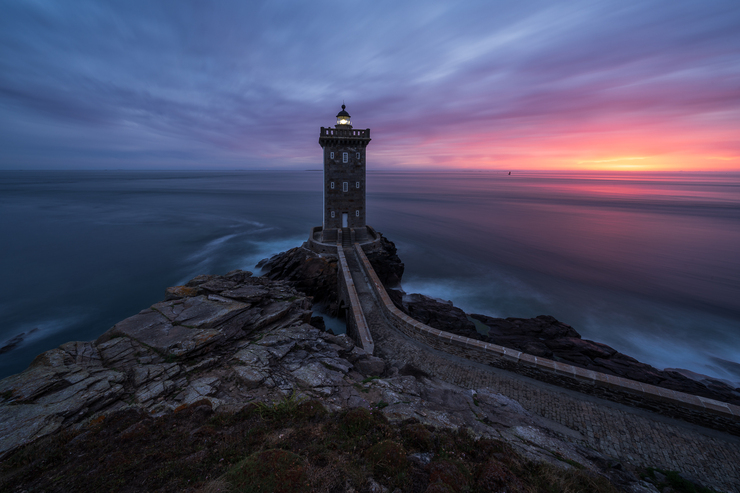
Coastal environments offer a distinctive quality of light that photographers and videographers often find both inspiring and challenging. The presence of vast water bodies reflects and diffuses sunlight, creating a softer, more luminous glow compared to inland locations. This reflected light can enhance skin tones, reduce harsh shadows, and produce a natural radiance that is highly desirable for event coverage. However, it also introduces complexity, as the intensity and direction of light can change rapidly depending on the position of the sun and the movement of water.
Another important aspect is the clarity of the atmosphere near coastal areas. With fewer obstructions like tall buildings or dense pollution, light tends to appear cleaner and more vibrant. This can elevate the overall visual quality of images, making colors pop and details appear sharper. Yet, photographers must remain attentive, as this same clarity can sometimes lead to overexposure, especially during midday events when sunlight is at its peak.
Weather Variability and Its Impact on Coverage
Coastal weather is notoriously unpredictable, and this variability plays a significant role in event coverage. Sudden shifts from bright sunshine to overcast skies can alter the mood and tone of images within minutes. While cloudy conditions can act as a natural diffuser, creating evenly lit scenes, they can also reduce contrast and vibrancy if not managed properly through camera settings or post-processing techniques.
Wind is another critical factor that affects both the shooting process as a stability Orange county event photographer, and the final output. Strong coastal breezes can disrupt equipment making it harder to capture sharp images or steady video footage. Additionally, wind influences subjects themselves, flowing dresses, moving hair, and shifting decorations can either enhance the dynamic feel of an event or create unwanted distractions. Skilled professionals learn to adapt quickly, using these elements creatively rather than seeing them solely as obstacles.
Golden Hours and Timing Advantages
One of the greatest advantages of coastal event coverage is the extended and visually stunning golden hour. The reflection of sunlight off the ocean amplifies the warm tones of sunrise and sunset, creating breathtaking backdrops that are difficult to replicate elsewhere. During these periods, light becomes softer and more directional, adding depth and dimension to photographs while minimizing harsh contrasts.
Timing becomes crucial in maximizing these benefits. Photographers often plan key moments, such as couple portraits or highlight shots, around these golden hours to achieve the best results. However, this requires careful coordination with event schedules, which may not always align perfectly with natural lighting conditions. Flexibility and preparation are essential, ensuring that no opportunity for capturing exceptional imagery is missed.
Challenges of Exposure and Color Balance
Managing exposure in coastal settings can be particularly demanding due to the interplay of bright skies, reflective water, and darker foreground elements. Cameras may struggle to balance these extremes, resulting in blown-out highlights or underexposed subjects. Professionals often rely on techniques such as manual exposure adjustments, use of filters, or bracketing to maintain detail across the frame.
Color balance also presents unique challenges. The blue tones from the sea and sky can cast a cool tint over images, while the warm hues of sand and sunlight add complexity to the overall color palette. Achieving accurate and pleasing colors requires a deep understanding of white balance settings and post-production workflows. When handled correctly, these elements can combine to produce visually striking and emotionally engaging images that truly reflect the coastal atmosphere.
Enhancing Storytelling Through Natural Elements
Coastal environments provide a rich array of natural elements that can significantly enhance the storytelling aspect of event coverage. The movement of waves, the texture of sand, and the vastness of the horizon all contribute to a sense of place and atmosphere. Incorporating these features into compositions allows photographers to create images that go beyond simple documentation, capturing the essence and emotion of the event.
At the same time, these elements require thoughtful integration. Overusing dramatic backgrounds can overshadow the main subjects, while underutilizing them may result in missed creative opportunities. The key lies in balance, using the environment to complement rather than dominate the narrative. When executed effectively, coastal conditions can elevate event coverage, transforming ordinary moments into visually compelling stories that resonate long after the event has ended.