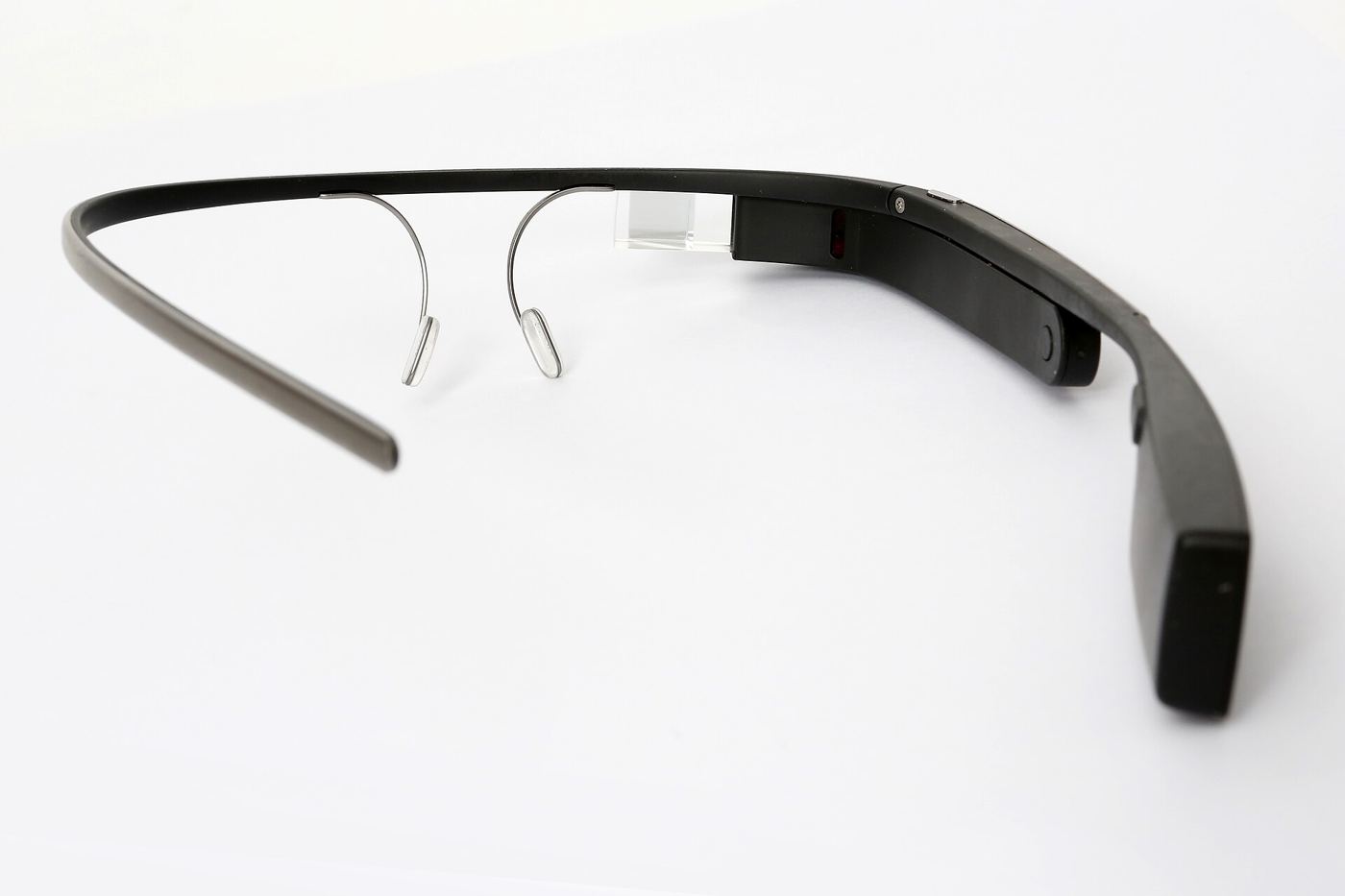
Smart glasses are finding a practical role guiding visually impaired pedestrians and warehouse staff, even as consumer models remain a niche product. Cameras and small speakers can describe obstacles, read signs aloud and give turn-by-turn directions without occupying the user’s hands. Trials in busy city centres show the devices work best when they give short, well-timed prompts rather than constant commentary. Battery life and privacy questions still limit wider use, especially where bystanders dislike being recorded. Developers are responding with visible recording indicators, on-device processing and designs that look closer to ordinary eyewear than earlier bulky prototypes did.
What the Evidence Shows
For accessibility users, reliability matters more than novelty, and testers stress that glasses should complement a cane or guide dog, not replace them. Systems can misread temporary obstacles such as roadworks, so training and clear error warnings are essential. Employers testing glasses for technicians value hands-free checklists and remote expert views during repairs. Costs remain high, although prices are falling as components standardise. Researchers want longer independent trials measuring real-world confidence and safety, not just task speed in laboratories. If those results are positive, public procurement for accessibility services could become the market’s most durable early customer. Reporting and analysis from sources such as IEEE Spectrum track the same developments, and specialists following smart glasses accessibility guidance say the direction is now consistent across independent lines of evidence.
The Wider Context
Adoption of smart glasses accessibility guidance follows a familiar pattern with an unfamiliar speed. Early users tolerate rough edges in exchange for advantage, mainstream users arrive when the tool disappears into existing workflows, and the market consolidates around whoever made that transition feel effortless. Vendors are racing less on raw performance now than on integration, support and trust.
What Happens Next
The realistic forecast for smart glasses accessibility guidance is steady integration rather than sudden replacement: embedded in products people already use, improving in increments, and regulated in proportion to its reach. The companies and institutions that plan on that basis, training staff and redesigning processes instead of chasing launches, are the ones the adoption data tends to vindicate. You can follow related developments in our coverage of technology.
It is also worth remembering how quickly the picture in this area has changed before. Positions that looked settled a few years ago have been revised as new data arrived, and the same humility is appropriate now. The strongest coverage of this subject, and the most useful advice, tends to come from sources that update their views openly when the facts move, rather than defending an earlier position long after it has stopped fitting the evidence available.
None of this will be settled by a single announcement, study or product launch. The pattern to watch is accumulation: independent confirmations, honest reporting of failures and steady improvement in the underlying numbers. Readers who follow those signals, rather than the loudest claim of the week, will understand this subject better than most of the commentary surrounding it suggests is possible.