Slot machines look simple from the outside: you press a button, the reels spin, and symbols line up. Underneath that simple surface, though, a surprising amount of technology is at work. Every spin is shaped by software, mathematics, and design choices that determine how often you win, how big those wins can be, and how the game feels to play. Understanding these mechanics will not help you predict results, but it will help you choose games wisely and avoid common misunderstandings.
Many players imagine that a slot machine’s reels are somehow influenced by previous spins, or that a game can sense when a player is winning or losing. In modern online slots, none of that is true: the spinning reels are simply a visual display of a result decided by software in a fraction of a second. If you want to see the variety of modern games for yourself, you can browse the current selection at slot88 and compare how different titles present the same basic mechanics.
The Reels and Symbols You See
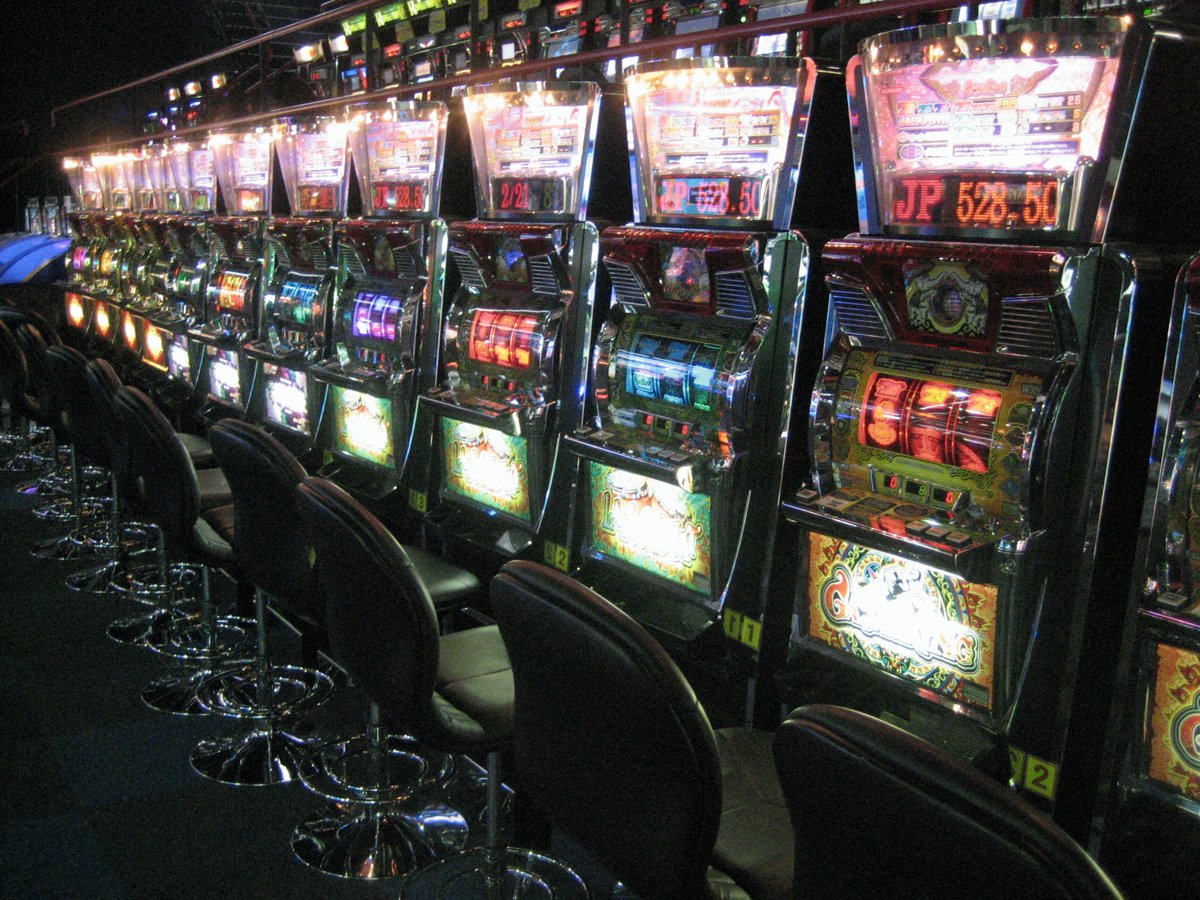
Reels are the vertical columns of symbols that spin when you press the button. Classic machines had three mechanical reels, but most modern video slots have five, and some have six or more. Each reel carries a strip of symbols, and when the reels stop, the symbols visible in the central rows form the result of your spin. The number of symbols on each reel and the way they are arranged affect how often winning combinations appear.
Paylines are the patterns across the reels that count for wins. Older games had a single horizontal payline, while modern games may offer dozens, hundreds, or even thousands of ways to win. In a “ways to win” game, matching symbols on consecutive reels from the left count as a win, regardless of their exact row. More paylines usually mean more frequent small wins, but they also mean your total stake per spin is spread across more lines, so it is worth checking how a game counts its lines before you play.
The Random Number Generator
The heart of every modern slot is the random number generator, usually called the RNG. This is a program that produces long sequences of random numbers, even when nobody is playing. When you press spin, the game takes the current numbers from that sequence and translates them into positions on the reels. That translation happens instantly, and the spinning animation you watch afterwards is simply a presentation of the result.
Because the RNG runs continuously and independently, each spin has no connection to the one before it. A game cannot be hot or cold in any meaningful sense, and it cannot be due for a win after a long losing streak. Regulators and testing laboratories check RNGs to make sure their results are genuinely random and unbiased, which is one reason licensed games are required to use certified software. Randomness is not a flaw in slots; it is the entire point of the game.
What RTP Really Means
RTP stands for return to player, and it is expressed as a percentage. A game with an RTP of 96 percent is designed to return 96 units for every 100 units wagered, on average, over a very large number of spins. The remaining percentage represents the house edge, the small mathematical advantage that keeps the game profitable for the operator over time. RTP is a useful comparison tool when you are choosing between games, but it is not a promise about your session.
The key phrase is “over a very large number of spins.” In a single session, your actual return can differ wildly from the stated RTP. You might double your money, or you might lose your whole budget, and neither result contradicts the game’s RTP. Short-term results are dominated by luck, while RTP only becomes visible across millions of spins.
Volatility: The Shape of Wins
Volatility, sometimes called variance, describes how a game’s wins are distributed. A low-volatility game pays out smaller wins more often, giving a steadier experience with fewer dramatic swings. A high-volatility game pays out less often, but its wins can be much larger when they arrive, including rare bonus rounds with big multipliers. Neither style is better in absolute terms; they simply suit different tastes and budgets.
Volatility affects how long your budget lasts and how a session feels. If you prefer longer, calmer sessions, a low-volatility game is usually a better fit. If you enjoy chasing a rare big win and can accept longer dry spells, a high-volatility game may appeal to you. You can often sense volatility from the paytable: games where the top prizes are enormous compared with the smallest wins tend to be more volatile.
Common Myths Worth Dropping
One persistent myth is that a slot that has just paid out a jackpot will not pay again for a long time. Since each spin is independent, a jackpot could theoretically be followed by another on the very next spin, although the odds are extremely low. Another myth is that playing at a certain time of day, or on a certain device, changes your chances. The RNG does not know what time it is or what device you are using.
The Most Expensive Myth
Perhaps the most expensive myth is that raising your stake after losses will recover them. Because spins are random, a bigger stake simply risks more money on an equally unpredictable result. No betting pattern can overcome the house edge, and systems that promise otherwise are selling false confidence. The honest truth is simpler: slots are games of chance, and the best strategy is to understand the mechanics, pick games you enjoy, and play within a budget you can afford. With that knowledge, you can explore titles at slot88 as an informed player rather than a hopeful one.
Final Thoughts
Knowing how slots work removes much of the mystery and many false hopes around them. Reels and paylines decide how wins are displayed, the RNG guarantees random spins, RTP describes the long-term average, and volatility describes the shape of the ride. None of these lets you beat the game, but together they help you choose games that suit your style and budget.